Introduction: When Standard Security Cameras Become Safety Hazards
Security is a universal concern across all industries, but in facilities handling flammable gases, combustible dust, or volatile chemicals, conventional security cameras pose a deadly risk. A standard camera’s electrical components can generate sparks or heat sufficient to ignite explosive atmospheres, transforming a security solution into a catastrophic liability.
This is where the explosion proof security camera becomes essential. These specialized surveillance systems provide comprehensive security monitoring while eliminating ignition risks in hazardous locations. Whether protecting oil refineries, chemical plants, offshore platforms, or pharmaceutical manufacturing facilities, explosion proof security cameras deliver peace of mind without compromising safety.
Understanding how to select, install, and maintain explosion proof security cameras is critical for facility managers, security directors, and safety professionals responsible for protecting people and assets in dangerous industrial environments.
What Makes a Security Camera “Explosion Proof”?
The term “explosion proof” has a specific technical meaning that goes far beyond simply being durable or weather-resistant. An explosion proof security camera is engineered and certified to prevent any internal spark, arc, or heat from igniting the surrounding atmosphere.
Engineering Principles Behind Explosion Proof Design
Containment Construction: The explosion proof security camera housing is manufactured from robust materials like marine-grade aluminum or stainless steel, designed to contain an internal explosion without rupturing. If electrical components inside the enclosure somehow ignite the atmosphere trapped within, the housing contains the explosion and prevents flame propagation to the external environment.
Flame Path Technology: Explosion proof security camera enclosures incorporate precisely machined flame paths where housing components join together. These narrow gaps allow internal pressure to escape during an explosion while cooling escaping gases below the ignition temperature of the external atmosphere.
Temperature Management: Every component within an explosion proof security camera system is engineered to operate below temperature thresholds that could ignite specific gas groups. Surface temperatures are carefully controlled through thermal design and testing to ensure safe operation under maximum ambient conditions.
Electrical Isolation: All wiring, connections, and electronic components are sealed within the explosion proof enclosure. Cable entries use specialized glands that maintain the explosion proof rating while allowing power and data connections.
Certification Requirements
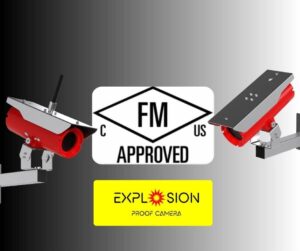
A true explosion proof security camera carries certifications from recognized testing authorities verifying compliance with strict safety standards. These certifications include ATEX for European markets, IECEx for international applications, UL for North America, and FM Approvals for industrial insurance acceptance. Without proper certification, a camera cannot legally be installed in classified hazardous locations.
Critical Applications for Explosion Proof Security Cameras
Explosion proof security cameras serve vital security and safety functions across numerous high-risk industries where conventional surveillance equipment would create unacceptable ignition hazards.
Perimeter Security in Refineries and Chemical Plants
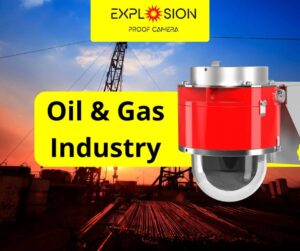
Oil refineries and chemical processing facilities face constant security threats from unauthorized access, theft, vandalism, and potential terrorist attacks. Perimeter areas where flammable materials are stored or processed require continuous monitoring with explosion proof security cameras that withstand both hazardous atmospheres and harsh weather conditions.
These systems detect intruders before they reach critical infrastructure, providing security personnel with early warning to intercept threats. PTZ explosion proof security cameras enable guards to track suspicious activity across large perimeters without exposing personnel to hazardous zones.
Access Control and Identification
Controlling who enters hazardous areas is essential for both security and safety. High-resolution explosion proof security cameras positioned at entry points capture clear facial images for identification verification and provide permanent records of everyone accessing sensitive locations.
Integration with access control systems allows security teams to verify that individuals presenting credentials match authorized personnel. Video records provide crucial evidence for investigating security breaches or safety incidents.
Asset Protection in Storage Yards
Tank farms, equipment yards, and material storage areas in industrial facilities contain valuable assets that attract thieves and vandals. Explosion proof security cameras provide 24/7 monitoring of these locations, deterring criminal activity and enabling rapid response when incidents occur.
Modern analytics can detect when vehicles or individuals enter restricted zones, automatically alerting security personnel to investigate. This proactive approach prevents theft and damage before they result in significant losses.
Loading Dock and Transportation Security
Areas where tanker trucks, rail cars, or vessels load and unload hazardous materials represent both security and safety concerns. Explosion proof security cameras monitor these locations to verify proper procedures, detect unauthorized activity, and document transactions for accountability.
Video records from these locations prove invaluable when investigating spills, contamination incidents, or disputes about delivered quantities and conditions.
Critical Infrastructure Monitoring
Compressor stations, pump houses, and process control buildings contain equipment critical to facility operations. Explosion proof security cameras protect these locations from sabotage, provide early detection of equipment malfunctions, and enable remote monitoring that reduces the need for personnel to enter hazardous areas during routine inspections.
Offshore Platform Security
Offshore oil and gas platforms face unique security challenges including piracy threats, unauthorized vessel approaches, and helicopter landing zone security. Explosion proof security cameras built to withstand marine environments provide comprehensive monitoring in areas classified as hazardous due to hydrocarbon processing operations.
These systems integrate with vessel tracking and radar systems to provide complete situational awareness for offshore installations operating in remote, vulnerable locations.
Key Features to Look for in Explosion Proof Security Cameras
Selecting the right explosion proof security camera requires understanding which features deliver the most value for your specific security requirements and operational environment.
Resolution and Image Quality
Security effectiveness depends on capturing details sufficient for identification and evidence. Modern explosion proof security cameras offer resolutions from 2MP up to 8MP (4K), with higher resolutions enabling digital zoom without losing critical details.
For facial recognition and license plate capture, cameras should deliver at least 80-100 pixels per foot at the target distance. This ensures images are usable for identification even when subjects are at the far edge of the camera’s field of view.
Low-Light and Night Vision Capabilities
Threats don’t wait for daylight. Explosion proof security cameras must deliver clear images during nighttime operations when many security incidents occur. Advanced sensors with wide dynamic range handle challenging lighting conditions including direct sunlight, deep shadows, and artificial lighting.
Some explosion proof security cameras incorporate infrared illumination for complete darkness operation, though this approach requires caution in classified areas where the illuminator itself must be explosion proof certified.
Pan-Tilt-Zoom (PTZ) Functionality
Fixed cameras provide constant coverage of specific areas, but PTZ explosion proof security cameras offer versatility for monitoring large spaces. Security personnel can manually control PTZ cameras to track suspects, investigate alarms, or inspect distant objects in detail.
Advanced PTZ explosion proof security cameras include preset positions, patrol patterns, and automated tracking that follows moving objects without operator intervention. These capabilities maximize coverage while minimizing the number of cameras required.
Video Analytics and AI Detection
Modern explosion proof security cameras incorporate intelligent analytics that automatically detect security-relevant events. These features include intrusion detection, line crossing alerts, loitering detection, object removal alarms, and crowd detection.
AI-powered analytics distinguish between genuine threats and nuisance alarms caused by animals, weather, or vegetation movement. This intelligence reduces false alarms and allows security personnel to focus on real incidents requiring response.
Weather and Environmental Protection
Security doesn’t stop for bad weather. Explosion proof security cameras must operate reliably through temperature extremes, heavy rain, snow, high winds, and corrosive atmospheres. IP66 or IP67 ingress protection ensures water and dust cannot compromise camera operation.
For offshore and coastal installations, materials resistant to salt spray corrosion are essential. Stainless steel 316 construction provides superior corrosion resistance compared to aluminum in marine environments.
Integration Capabilities
Explosion proof security cameras should integrate seamlessly with your existing security infrastructure including video management systems, alarm panels, access control platforms, and incident management software. Standard protocols like ONVIF ensure compatibility across manufacturers.
Network connectivity via Power over Ethernet simplifies installation while providing adequate bandwidth for high-resolution video transmission. Cybersecurity features including encrypted video streams and secure authentication protect against unauthorized access.
Understanding Hazardous Area Classifications for Security Camera Placement
Proper explosion proof security camera selection requires understanding where hazardous atmospheres exist and which protection levels are necessary.
Zone Classification System (International Standard)
Zone 0: Locations where explosive atmospheres are present continuously or for long periods. Security cameras for Zone 0 applications require the highest level of explosion protection and are relatively uncommon due to the extreme conditions.
Zone 1: Areas where explosive atmospheres are likely to occur during normal operations. Most process areas in refineries, chemical plants, and offshore platforms fall into Zone 1, requiring fully certified explosion proof security cameras.
Zone 2: Locations where explosive atmospheres are unlikely under normal conditions and if they occur, will exist only briefly. Zone 2 allows slightly less stringent protection levels, though explosion proof security cameras remain the preferred solution for reliability and safety margins.
Division Classification System (North American Standard)
Class I Division 1: Locations where ignitable concentrations of flammable gases or vapors exist under normal operating conditions. All security cameras in Division 1 areas must be explosion proof certified for the specific gas groups present.
Class I Division 2: Areas where flammable gases or vapors are normally contained in closed systems and become hazardous only during abnormal conditions. Division 2 security cameras require appropriate certifications, though requirements are less stringent than Division 1.
Gas Groups and Temperature Classes
Beyond zone or division classification, explosion proof security cameras must be certified for specific gas groups present in your facility. Common classifications include Group IIA for propane, Group IIB for ethylene, and Group IIC for hydrogen, with each group representing progressively more easily ignited gases.
Temperature class ratings indicate the maximum surface temperature of the explosion proof security camera. This rating must be below the ignition temperature of gases or vapors present in the environment.
Installation Best Practices for Explosion Proof Security Cameras
Even properly certified explosion proof security cameras can become hazardous if installed incorrectly. Following installation best practices ensures safety while maximizing security effectiveness.
Professional Installation Requirements
Installation must be performed by qualified electricians familiar with hazardous area requirements and local electrical codes. Improper installation voids certifications and creates serious liability exposure if incidents occur.
Strategic Camera Placement
Position explosion proof security cameras to provide overlapping coverage of critical areas while minimizing blind spots. Consider lighting conditions, potential obstructions, and required identification distances when determining mounting locations.
Mount cameras high enough to prevent tampering but low enough to capture useful facial details. Angles between 10-15 degrees from horizontal typically provide the best facial recognition while maintaining wide area coverage.
Conduit and Cable Management
All wiring to explosion proof security cameras must run through explosion proof conduit with proper sealing fittings at required intervals. Cable entries into camera housings require certified cable glands that maintain explosion protection integrity.
Avoid long unsupported conduit runs that can flex or vibrate, potentially loosening connections over time. Proper support and strain relief prevent physical damage and maintain system reliability.
Power System Design
Explosion proof security cameras typically operate on 24VAC or 24VDC power. Power supplies must be located in non-hazardous areas or within their own explosion proof enclosures. Calculate voltage drops carefully for long cable runs to ensure cameras receive adequate power.
Consider backup power systems for critical security cameras to maintain surveillance during power outages when facilities may be most vulnerable to security incidents.
Network Infrastructure
IP-based explosion proof security cameras require network connectivity for video transmission and remote management. Design network infrastructure with adequate bandwidth for multiple high-resolution video streams while maintaining proper network segmentation for cybersecurity.
Fiber optic connections offer advantages for long distances and immunity to electrical interference common in industrial environments, though they require media converters or cameras with fiber interfaces.
Maintenance and Operational Considerations
Explosion proof security cameras require regular maintenance to ensure continued performance and safety compliance throughout their operational life.
Cleaning and Inspection Protocols
Establish regular cleaning schedules to remove dust, oil mist, salt spray, and other contaminants that degrade image quality. Use appropriate cleaning solutions and techniques that won’t damage protective windows or coatings.
Inspect explosion proof security cameras quarterly for physical damage, corrosion, loose connections, or seal degradation. Document inspections and address any issues immediately to maintain certification compliance.
Software and Firmware Updates
Camera manufacturers release firmware updates that improve performance, add features, and patch security vulnerabilities. Develop a managed update process that tests updates on non-critical cameras before deploying across your entire system.
Balance the benefits of updates against operational disruptions and potential compatibility issues with existing video management systems.
Window Replacement
The protective windows on explosion proof security cameras eventually become scratched, pitted, or clouded by chemical exposure. Maintain spare certified replacement windows and establish criteria for when replacement is necessary to maintain image quality.
Only use certified replacement parts that maintain explosion proof ratings. Aftermarket parts may compromise safety even if they appear to fit properly.
Documentation and Compliance Records
Maintain comprehensive records of camera certifications, installation documentation, inspection reports, and maintenance activities. These records demonstrate regulatory compliance and provide liability protection if incidents occur.
Document any modifications or repairs with appropriate hazardous area work permits and certification reviews to ensure changes don’t compromise explosion protection.
Comparing Explosion Proof Security Camera Options
The market offers various explosion proof security camera models with different capabilities and price points. Understanding key differences helps you select the best option for your requirements.
Fixed vs PTZ Cameras
Fixed explosion proof security cameras provide constant coverage of specific areas at lower cost than PTZ models. They work well for monitoring entrances, perimeters, and critical equipment where the field of view remains constant.
PTZ explosion proof security cameras offer flexibility to monitor large areas, track suspects, and investigate incidents in detail. While more expensive, a single PTZ camera can replace multiple fixed cameras in some applications, potentially reducing overall system cost.
Aluminum vs Stainless Steel Construction
Marine-grade aluminum provides excellent strength-to-weight ratio and adequate corrosion resistance for most industrial environments. Aluminum explosion proof security cameras cost less than stainless steel alternatives while delivering reliable long-term performance.
Stainless steel 316 construction offers superior corrosion resistance essential for offshore platforms, coastal facilities, and chemical plants with highly corrosive atmospheres. While more expensive, stainless steel cameras last longer in extreme environments and reduce lifecycle costs.
Integrated vs Modular Systems
Integrated explosion proof security cameras contain camera, housing, and all necessary components in a single assembly. These systems simplify ordering and installation but offer less flexibility for camera upgrades.
Modular systems allow camera replacement independent of the explosion proof housing, enabling technology upgrades without replacing expensive certified enclosures. This approach provides long-term cost advantages as camera technology evolves.
Brand Selection Considerations
Leading camera manufacturers including Axis, Avigilon, Pelco, Bosch, and others offer models suitable for integration into explosion proof security camera assemblies. Each manufacturer provides unique features, integration capabilities, and support levels.
Consider your existing video management system compatibility and support infrastructure when selecting camera brands for explosion proof integration. Standardizing on fewer manufacturers simplifies training and reduces spare parts inventory.
Cost Considerations and ROI
Explosion proof security cameras represent significant investments compared to standard surveillance equipment, but the costs of inadequate security or safety incidents far exceed equipment expenses.
Initial Investment Factors
Explosion proof security camera costs include the camera itself, explosion proof housing, mounting hardware, installation labor, conduit and cable materials, network infrastructure, and video management system integration. Complete systems typically range from several thousand dollars to over twenty thousand dollars per camera depending on specifications and installation complexity.
Budget for professional installation by qualified contractors familiar with hazardous area requirements. While more expensive than standard security camera installation, proper installation is essential for safety and compliance.
Operational Cost Considerations
Ongoing costs include electrical power, network connectivity, maintenance, cleaning, spare parts, and periodic certification inspections. These costs remain relatively modest compared to initial investment but should be factored into total cost of ownership calculations.
Risk Mitigation Value
The primary ROI from explosion proof security cameras comes from preventing losses rather than generating revenue. Security incidents including theft, vandalism, sabotage, and unauthorized access can cost millions in stolen equipment, production downtime, and incident response.
Safety incidents resulting from using non-certified equipment in hazardous areas create enormous liability exposure including regulatory fines, legal damages, and reputation harm. The cost of proper explosion proof security cameras is negligible compared to potential consequences of inadequate equipment.
Insurance Benefits
Many industrial insurance carriers offer premium reductions for facilities with comprehensive explosion proof security camera systems. These systems demonstrate risk management commitment and provide documentation valuable for incident investigation and claims processing.
Consult your insurance provider about potential premium reductions when investing in explosion proof security camera systems.
Future Trends in Explosion Proof Security Camera Technology
Explosion proof security camera technology continues advancing with innovations in imaging sensors, artificial intelligence, and networking capabilities.
Enhanced AI and Video Analytics
Artificial intelligence is revolutionizing security camera capabilities beyond simple motion detection. Advanced AI enables facial recognition, license plate reading, behavioral analysis, and predictive threat assessment that dramatically improve security effectiveness.
Future explosion proof security cameras will incorporate edge AI processing that analyzes video directly within the camera, reducing network bandwidth requirements while enabling real-time threat detection and automated response.
Improved Image Quality and Resolution
Sensor technology continues advancing with higher resolutions, better low-light performance, and wider dynamic range. Future explosion proof security cameras will capture even clearer images across challenging lighting conditions, improving identification capabilities and evidence value.
Cybersecurity Enhancements
As explosion proof security cameras become more connected and incorporate AI capabilities, cybersecurity protections must advance to defend against evolving threats. Enhanced encryption, secure boot processes, intrusion detection, and automated security updates will become standard features.
Integration with Physical Security Systems
Explosion proof security cameras will integrate more seamlessly with access control, intrusion detection, fire safety, and industrial control systems. This convergence enables comprehensive security operations centers that correlate data from multiple systems for improved situational awareness.
Sustainability and Efficiency
Manufacturers are developing more energy-efficient explosion proof security cameras that reduce operational costs while maintaining full functionality. Sustainable materials and manufacturing processes are becoming priorities as industries focus on environmental responsibility.
Regulatory Compliance and Legal Considerations
Installing security cameras in hazardous locations involves regulatory compliance requirements that extend beyond basic explosion protection certification.
OSHA Requirements
The Occupational Safety and Health Administration establishes workplace safety requirements including proper equipment in hazardous locations. Failure to use certified explosion proof security cameras where required violates OSHA standards and exposes facilities to citations, fines, and potential criminal liability if incidents result in injuries or deaths.
Local Electrical Codes
National Electrical Code (NEC) Article 500-505 establishes requirements for electrical equipment in hazardous locations throughout the United States. Local jurisdictions may adopt additional requirements or interpretations that impact explosion proof security camera installations.
Privacy Regulations
Security camera systems must comply with privacy regulations including where cameras can be located, how video is stored, who can access recordings, and how long data is retained. These requirements vary by jurisdiction and industry.
International Standards
Facilities operating internationally must comply with local regulations including ATEX in Europe, IECEx standards adopted globally, and country-specific requirements in regions like Brazil, China, and India.
Conclusion: Investing in Proper Explosion Proof Security Cameras
Security is non-negotiable in modern industrial operations, but in hazardous environments, security solutions must never compromise safety. Explosion proof security cameras provide the essential surveillance capabilities required for comprehensive security while eliminating ignition risks that could trigger catastrophic explosions.
The investment in proper explosion proof security cameras delivers multiple benefits including theft deterrence, incident documentation, access control verification, remote monitoring capabilities, and insurance premium reductions. Most importantly, these systems protect lives by enabling security without introducing unacceptable risks.
Selecting the right explosion proof security camera requires understanding your specific security requirements, hazardous area classifications, environmental conditions, and integration needs. Partner with experienced suppliers who specialize in explosion protected equipment and can provide guidance throughout the specification, installation, and lifecycle management process.
As security threats evolve and industrial operations become more complex, explosion proof security cameras will play increasingly critical roles in protecting people, assets, and operations. Facilities that invest in high-quality, properly certified systems position themselves for operational excellence while fulfilling their fundamental responsibility to worker safety.
Whether you’re upgrading aging security infrastructure, expanding into new hazardous areas, or building facilities from the ground up, explosion proof security cameras demand careful attention. The consequences of inadequate equipment are simply too severe to accept compromises.
Ready to enhance your facility security with certified explosion proof security cameras? Contact our team of specialists to discuss your specific requirements and discover how modern explosion proof surveillance technology can protect your people, assets, and operations in even the most hazardous environments.