ExPC Insights
Field notes, standards, and hazardous-area know-how from the team behind the cameras.

ATEX Cameras: Essential Guide for Selecting and Deploying Explosion-Proof Surveillance in Hazardous Areas
Industrial facilities in explosive atmospheres face significant surveillance challenges. ATEX cameras are legally required and vital for safety and compliance…PESO Certification for Explosion Proof Cameras: What It Means and Why It Matters.
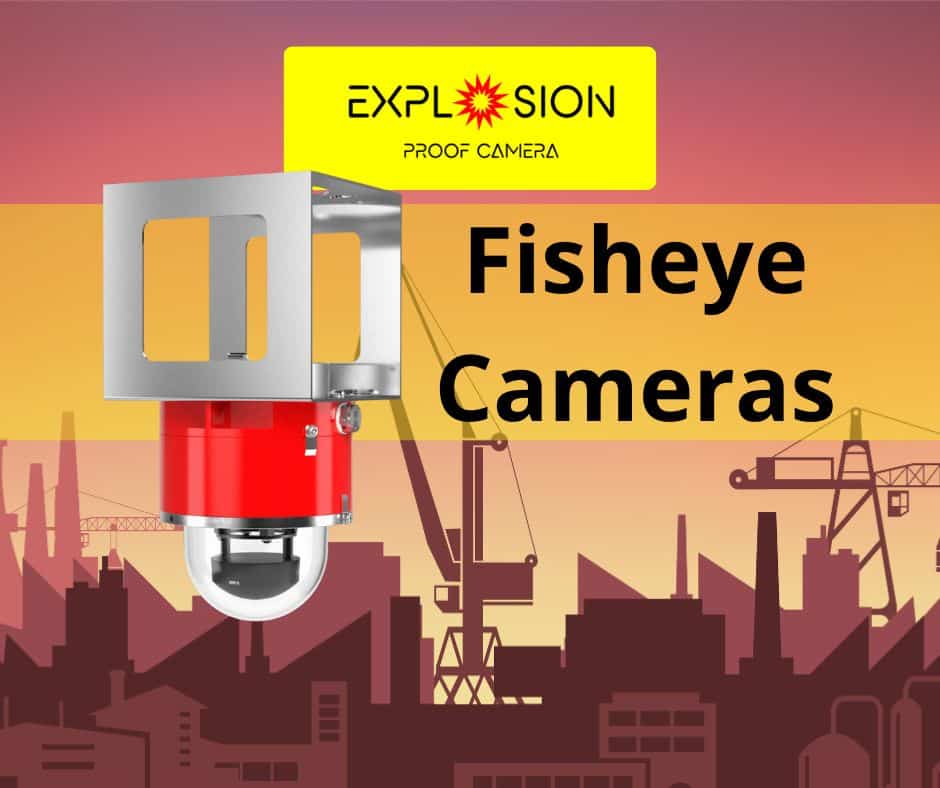
PESO certification is crucial for deploying explosion proof cameras in India's hazardous environments. It guarantees compliance with safety standards set…Fisheye Cameras: Complete Guide for Industrial & Security Applications
Fisheye cameras provide extensive surveillance coverage in industrial and high-security settings, enabling panoramic views that replace multiple traditional cameras. They…Explosion Proof Glossary: ATEX, IECEx, Class/Division, T-Codes, Gas Groups & HazLoc Terms Explained
A complete glossary of explosion-proof and hazardous location terminology — ATEX, IECEx, Class/Division, T-Ratings, Gas Groups, IP Codes, Ex d,…What Is an Explosion Proof Rating? UL, NEC, and ATEX Explained
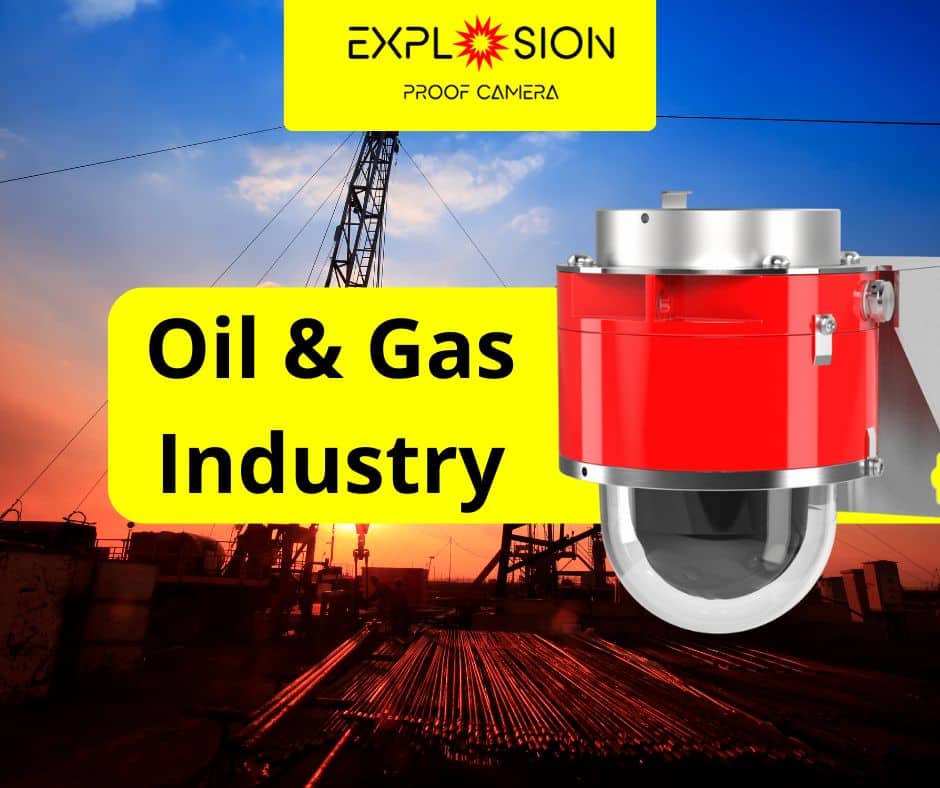
In hazardous environments, understanding explosion proof ratings is vital for safe operations. This guide details key certification systems like UL,…Explosion Proof Cameras in the Oil & Gas Industry: Enhancing Safety and Operational Efficiency
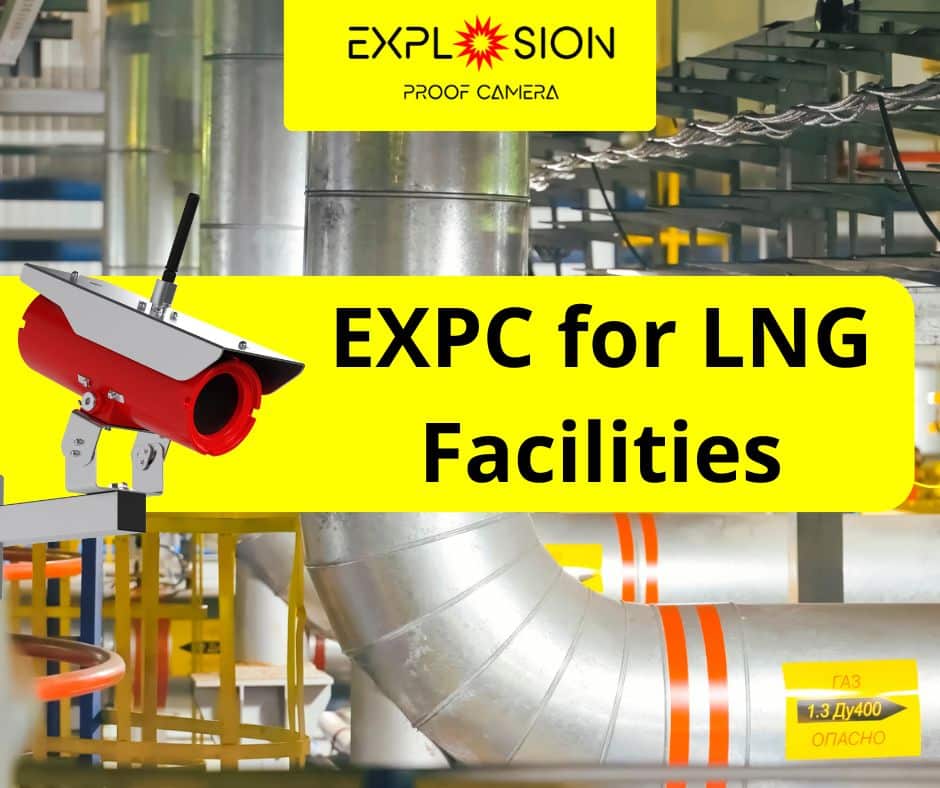
The oil and gas industry operates in some of the most demanding and hazardous environments on the planet. From offshore…Explosion Proof Cameras for LNG Facilities: Ensuring Safety in Cryogenic Environments
LNG facilities require cameras that withstand cryogenic environments. Discover certified (ATEX/cULus) explosion proof cameras designed for extreme cold, featuring internal…cFMus Approved Explosion Proof Cameras: Understanding North American Certification Standards
Introduction cFMus Approved explosion proof cameras are a mandatory safety requirement for hazardous areas across North America. When it comes…Explosion Proof vs Flameproof Cameras: What’s the Difference?
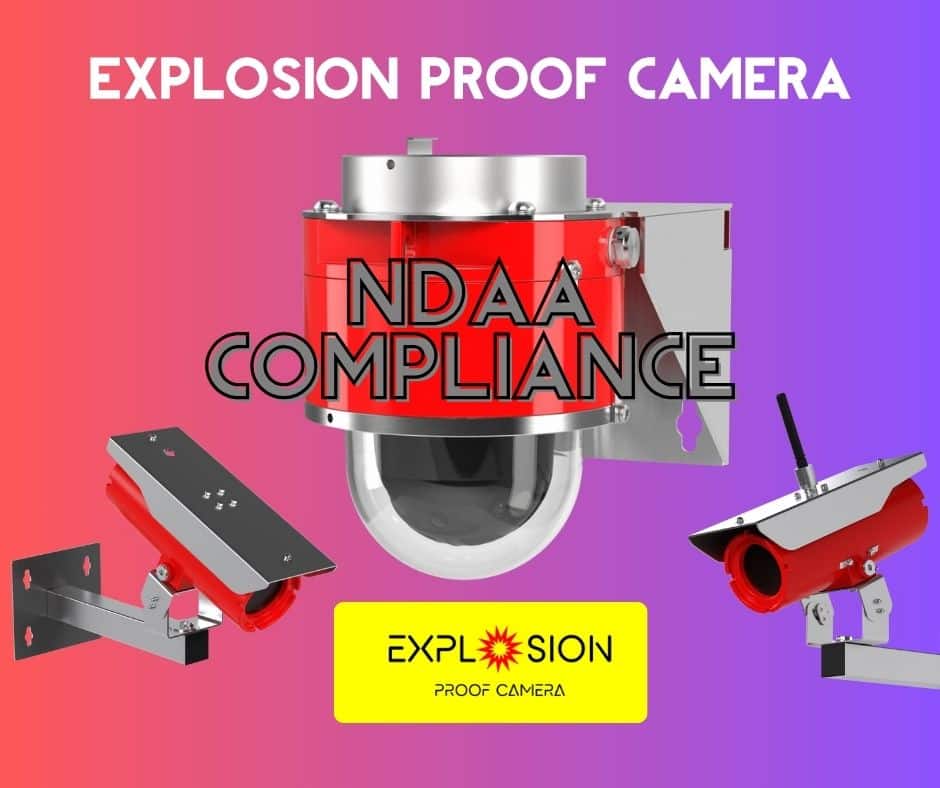
Explosion proof and flameproof cameras are often confused but represent different safety standards crucial for hazardous environments. Explosion proof cameras…How to Achieve Full NDAA Compliance in Explosion Proof Video Systems
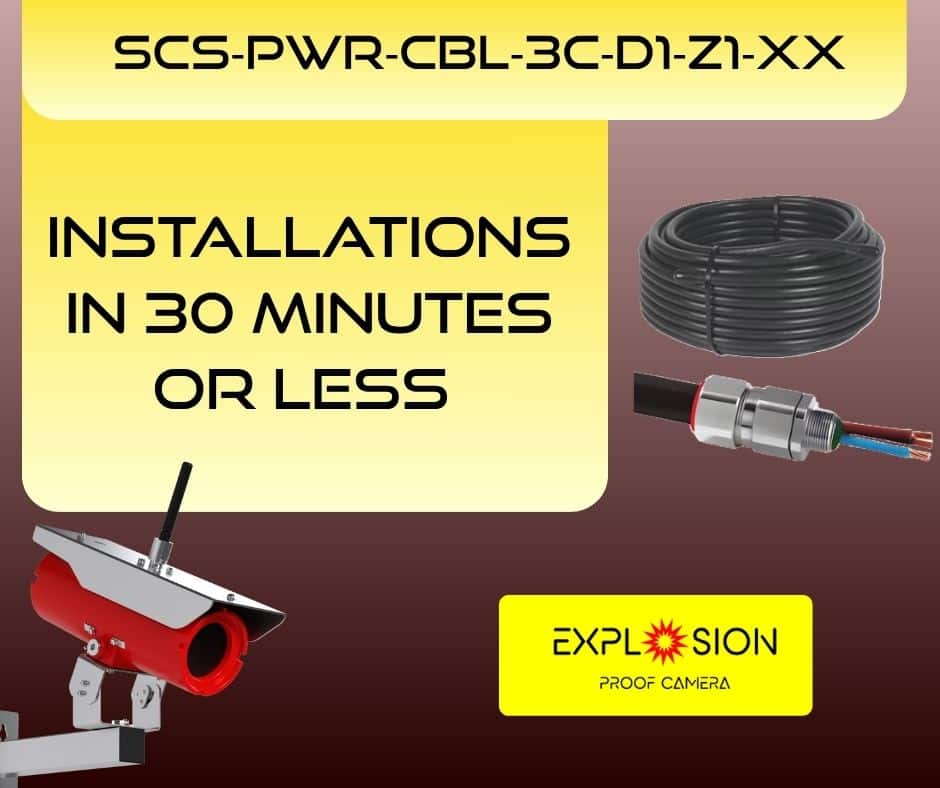
Explosion proof video systems designed for hazardous areas demand rigorous NDAA compliance, ensuring legal eligibility for government contracts and maximum…Calculating the True TCO: How Faster Installation Reduces Explosion Proof Camera Costs
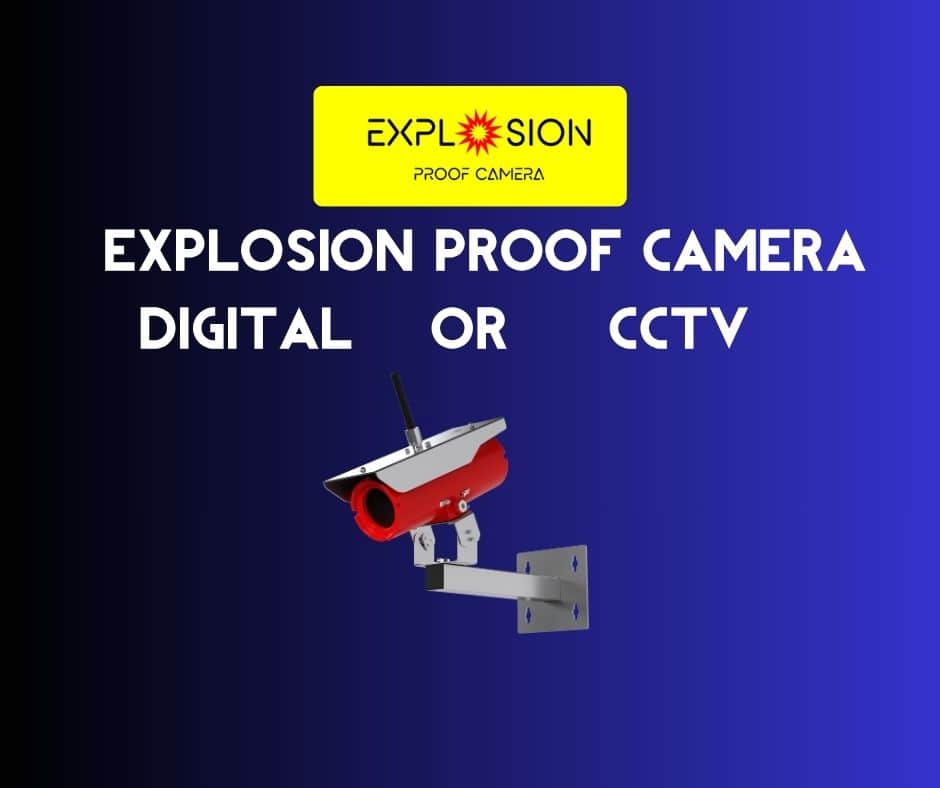
Installing an explosion proof camera isn’t just about equipment cost — it’s about time. Traditional installations can take up to…Explosion Proof Digital Camera vs CCTV: Which Is Right for Your Hazardous Area?
Discover the difference between an explosion proof digital camera and a CCTV system. Learn which one is best for inspections…