Explosion proof cameras are specially designed surveillance devices that operate safely in hazardous environments where flammable gases, vapors, dust, or combustible fibers may be present. These environments are commonly found in the oil and gas industry, chemical plants, offshore platforms, refineries, and mining facilities.
In this guide, we’ll explain what an explosion proof camera is, how it works, what certifications matter, and why it’s essential for safety and compliance in high-risk industrial operations.
What Is an Explosion Proof Camera?
An explosion proof camera is a video surveillance device that is housed in a rugged, flameproof enclosure. This enclosure is engineered to contain any sparks or explosions that may originate inside the device, preventing them from igniting the surrounding atmosphere.
Key characteristics include:
Often equipped with anti-condensation and anti-vibration features
Flameproof housing made from stainless steel or aluminum
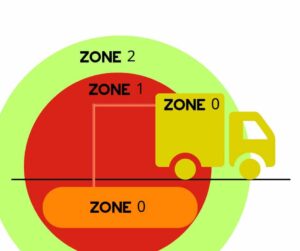
Certified for specific hazardous zones (e.g., Class I Division 1, Zone 1)
Built to withstand extreme temperatures, pressure, and corrosion
Why Are Explosion Proof Cameras Needed?
In hazardous locations, even a small electrical spark can trigger a catastrophic explosion. Standard surveillance equipment poses a significant risk in such areas.
Explosion proof cameras are crucial for:
Complying with international safety standards (e.g., NEC, ATEX, IECEx)
Ensuring worker safety
Monitoring equipment and processes in real-time
Recording incidents for investigation
Common Applications of Explosion Proof Cameras
These specialized cameras are commonly used in:
Battery manufacturing and recycling facilities
Oil and gas production (onshore and offshore)
Chemical and petrochemical plants
Grain storage and processing facilities
Mining operations
Paint booths and fuel storage areas
Certifications and Compliance
Explosion proof cameras must comply with safety certifications depending on the region and industry. Common standards include:
- ATEX (Europe) – for explosive atmospheres
- IECEx (International) – for hazardous environments globally
- NEC/CEC Class I Division 1 or 2 (North America)
- UL and CSA certifications
These certifications ensure the camera meets rigorous safety and performance standards.
Intrinsically Safe vs. Explosion Proof: What’s the Difference?
Although often confused, intrinsically safe and explosion proof are two different protection methods:
- Explosion Proof: Contains and isolates any internal explosion.
- Intrinsically Safe: Designed to prevent sparks or heat sufficient to ignite a hazardous atmosphere.
Explosion proof cameras are ideal where robust, external protection is needed and where equipment may be exposed to rough handling, vibration, or harsh chemicals.
Benefits of Using Explosion Proof Cameras
- ✅ Increased safety for personnel and assets
- ✅ Compliance with safety regulations
- ✅ 24/7 monitoring of high-risk zones
- ✅ Improved incident response
- ✅ Reliable performance in extreme conditions
Final Thoughts
Explosion proof cameras play a vital role in maintaining safety and operational efficiency in hazardous industrial environments. Whether it’s monitoring a refinery, offshore oil rig, or chemical plant, these cameras provide peace of mind, regulatory compliance, and life-saving visibility.
If you’re working in a hazardous location, investing in a certified explosion proof camera is not just a smart choice—it’s a critical one.